Top Courses at Universities in Sweden
Sweden is a popular destination for international students looking for research-focused education, innovation, sustainability and an international study environment. Swedish universities offer a wide range of Bachelor's and Master's programmes, including many courses taught in English.
For Bangladeshi students, Sweden can be an attractive study destination for subjects such as computer science, artificial intelligence, engineering, business, biotechnology, environmental studies, design and social sciences.
NWC Education helps students explore Swedish universities and programmes, understand admission requirements and prepare for the application process.
Why Study in Sweden?
Swedish higher education places strong emphasis on independent thinking, problem-solving, research and collaboration. Many programmes also use project-based learning and encourage students to apply academic knowledge to practical challenges.
Sweden has a substantial selection of English-taught Master's programmes, while English-taught Bachelor's options are also available.
Some reasons international students consider Sweden include:
English-taught degree programmes
Research and innovation opportunities
Strong technology and startup ecosystems
Project-based and collaborative learning
International academic communities
Focus on sustainability and innovation
Opportunities for professional development
Modern university facilities and research environments
Top Courses to Study in Sweden
Swedish universities offer programmes across technology, engineering, business, science, health, design and social sciences. The right course depends on your academic background, interests and career plans.
Computer Science and Information Technology
Computer Science is one of the key study areas for international students interested in technology and digital careers.
Students can explore programmes related to:
Computer Science
Software Engineering
Information Technology
Artificial Intelligence
Machine Learning
Data Science
Cyber Security
Computer Systems
Human-Computer Interaction
Digital Technologies
Students with a background in CSE, computer science, mathematics or related subjects may find Master's programmes that match their previous studies.
Admission requirements are programme-specific, so applicants should check the required university credits and previous coursework.
Artificial Intelligence and Data Science
Artificial Intelligence and Data Science are important areas within Sweden's technology and research ecosystem.
Depending on the university, programmes may cover:
Machine Learning
Artificial Intelligence
Statistical Modelling
Data Analytics
Computer Vision
Natural Language Processing
Big Data
Intelligent Systems
These subjects can prepare students for careers in technology, data analytics, software development, research and AI-related roles.
Engineering
Sweden has a strong engineering and technology education environment.
International students can explore:
Mechanical Engineering
Electrical Engineering
Electronics
Civil Engineering
Industrial Engineering
Chemical Engineering
Energy Engineering
Environmental Engineering
Materials Engineering
Engineering Management
Many engineering programmes combine theoretical knowledge with projects, research and practical applications.
Business and Economics
Business-related programmes are another option for international students.
Available study areas can include:
Business Administration
International Business
Economics
Finance
Marketing
Management
Entrepreneurship
Accounting
Business Analytics
Supply Chain Management
Students should compare programme content, specialisations and career relevance before selecting a business degree.
Renewable Energy and Sustainability
Sustainability is an important area within Swedish research and higher education.
Students interested in environmental and energy-related subjects can explore:
Renewable Energy
Sustainable Energy Systems
Environmental Engineering
Environmental Science
Climate Studies
Sustainable Development
Circular Economy
Energy Technology
Sustainable Business
These programmes can be relevant for students interested in environmental policy, clean technology, energy systems and sustainable business.
Biotechnology and Life Sciences
Sweden also offers study opportunities in biotechnology, life sciences and related scientific disciplines.
Possible areas include:
Biotechnology
Molecular Biology
Bioinformatics
Biomedicine
Pharmaceutical Sciences
Life Sciences
Food Science
Environmental Biology
Admission requirements can be specific to the programme and may require previous studies in biology, chemistry, biotechnology or related fields.
Health and Public Health
International students can explore health-related programmes in areas such as:
Public Health
Global Health
Health Sciences
Biomedical Sciences
Health Technology
Healthcare Management
Students interested in regulated healthcare professions should separately check professional licensing and Swedish language requirements. An English-taught degree does not automatically provide professional registration in Sweden.
Architecture and Design
Sweden has a strong design and innovation culture, making it an interesting destination for students interested in creative disciplines.
Possible study areas include:
Architecture
Industrial Design
Product Design
Interaction Design
User Experience Design
Visual Communication
Sustainable Design
Fashion and Textile Design
Some programmes may require portfolios, entrance examinations or other selection requirements.
Social Sciences and Humanities
Swedish universities also offer programmes in social sciences and humanities.
Students can explore:
International Relations
Political Science
Sociology
Development Studies
Economics
Media and Communication
Psychology
Cultural Studies
Gender Studies
Human Rights
The availability of English-taught programmes varies considerably by subject and study level.
Master's Programmes in Sweden
Sweden offers a large selection of English-taught Master's programmes for international students.
Master's programmes are available across areas such as:
Computer Science
AI and Data Science
Engineering
Business
Economics
Sustainability
Biotechnology
Public Health
Architecture
Design
Social Sciences
Applicants normally need a Bachelor's degree or equivalent qualification that meets the specific requirements of the selected programme.
Some programmes may also require:
Specific university credits
Relevant academic background
English language proficiency
Motivation letter
CV
Portfolio
Work experience where specified
The exact requirements are determined by each programme.
Bachelor's Programmes in Sweden
International students can also apply to Bachelor's programmes in Sweden, although the selection of English-taught Bachelor's programmes is more limited than at Master's level.
Applicants must meet the general entry requirements for higher education in Sweden as well as the specific requirements of their chosen programme.
For applicants with international qualifications, previous education is assessed against Swedish entry requirements.
Tuition Fees in Sweden
Students who are citizens of countries outside the EU/EEA and Switzerland generally need to pay application and tuition fees for university studies in Sweden, unless they qualify for an exemption.
The exact tuition fee varies according to the university and programme. Study in Sweden states that tuition fees for international students can range from approximately SEK 80,000 to SEK 295,000 per academic year, depending on the programme and institution.
Students should check the exact fee on the official programme page before planning their budget.
In addition to tuition, students need to budget for accommodation, food, transportation, insurance and other living expenses.
Scholarships in Sweden
Swedish universities and other organisations offer scholarship opportunities for international students.
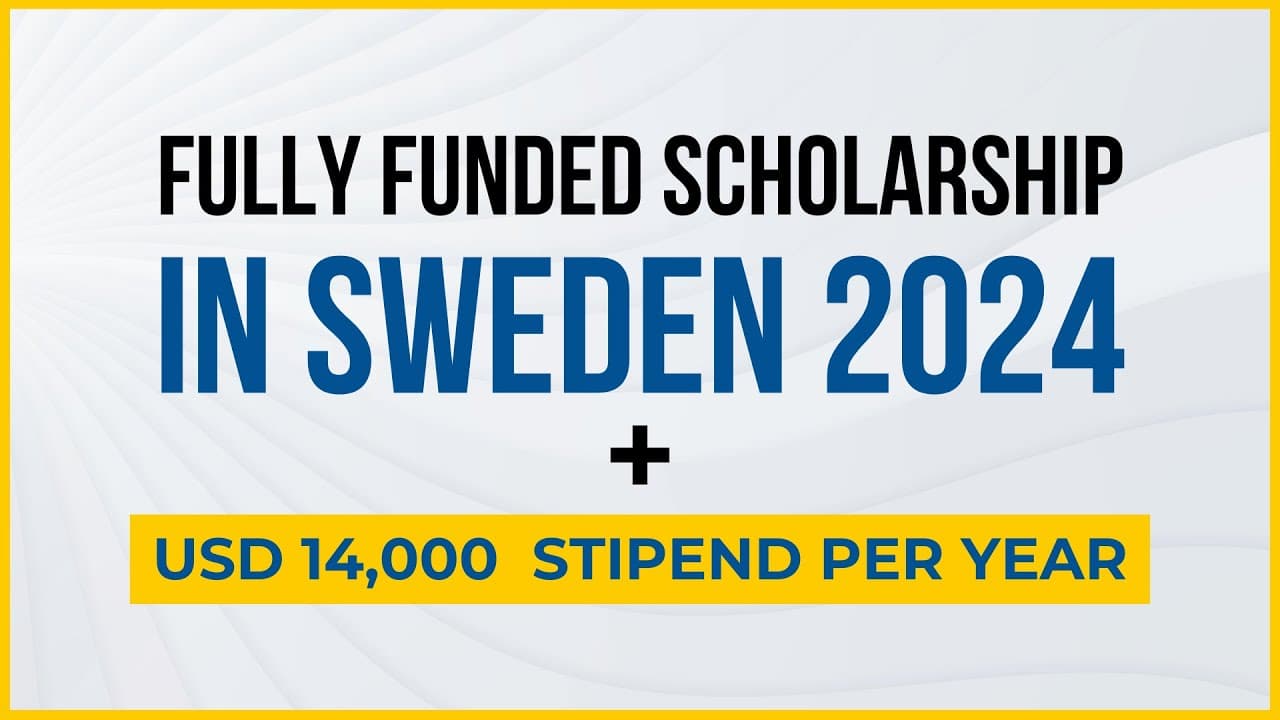
One of the major national scholarship programmes is the SI Scholarship for Global Professionals, administered by the Swedish Institute. It is available for eligible applicants from selected countries and selected Master's programmes.
The scholarship can include tuition fees, a monthly living allowance and other benefits under its published conditions. Eligibility depends on citizenship, professional experience, academic background and programme selection.
Universities may also offer their own scholarships, often as partial or full tuition fee waivers.
Scholarship availability changes from year to year, so students should check the current scholarship conditions before applying.
How to Apply to Universities in Sweden
Most international students apply to Swedish universities through the national University Admissions application system.
A typical application process includes:
1. Find a Suitable Programme
Search for programmes based on your academic background, interests and career plans.
2. Check Entry Requirements
Review the general and programme-specific academic requirements, English language requirements and supporting documents.
3. Prepare Your Documents
Depending on the programme, you may need:
Academic certificates
Academic transcripts
Passport
English language test results
CV
Motivation letter
Recommendation letters
Portfolio where required
4. Apply Through UniversityAdmissions.se
International applicants generally submit their applications through Sweden's central application portal. Students can rank their programme choices according to the application rules and deadlines.
5. Pay the Application Fee
Applicants who are required to pay tuition fees generally also need to pay the university application fee. The current application fee is SEK 900.
6. Wait for the Admission Decision
After the application is assessed, applicants receive their admission results through the application portal.
7. Arrange Tuition Payment and Residence Permit
If admitted and required to pay tuition, students need to follow the university's instructions for payment before applying for the Swedish residence permit.
English Language Requirements
Applicants to English-taught programmes must meet the English language requirements specified by the Swedish higher education system and the programme.
Accepted evidence can include certain international English language tests and previous studies that meet the applicable requirements.
IELTS and TOEFL are commonly used, but students should check the exact requirement for their chosen programme.
Meeting the general English requirement does not automatically mean that an applicant meets every programme-specific requirement.
Swedish Residence Permit for Students
Students from Bangladesh generally need a residence permit to study in Sweden if their studies last longer than 90 days.
Before applying, students generally need to have been admitted to full-time studies and, where applicable, have paid the tuition fee required by the university.
Applicants must also demonstrate that they have enough money to support themselves during their stay.
The Swedish Migration Agency publishes the current maintenance requirement and documentation rules, so applicants should check the latest figures before applying.
Can International Students Work in Sweden?
International students with a Swedish residence permit for higher education may work while studying. Sweden does not set a specific statutory hourly limit for international students in the same way some other countries do.
However, students are expected to maintain satisfactory progress in their studies and should ensure that employment does not interfere with their academic responsibilities.
Students should also plan their finances without assuming that part-time employment will cover all tuition and living costs.
Popular Universities in Sweden
Students considering Sweden can explore institutions such as:
KTH Royal Institute of Technology: Particularly known for technology, engineering and architecture-related education.
Lund University: Offers a broad range of programmes across engineering, science, business, social sciences, humanities and other disciplines.
Uppsala University: A research-intensive university with programmes across science, medicine, humanities, social sciences and other areas.
Chalmers University of Technology: Focuses strongly on engineering, technology, architecture and related disciplines.
Linköping University: Offers study and research opportunities across technology, medicine, business and social sciences.
Stockholm University: Provides programmes across natural sciences, social sciences, humanities and law.
University of Gothenburg: Offers programmes across areas including business, social sciences, humanities, science and health-related disciplines.
The right university depends on your intended subject, academic background, tuition budget and career goals.
How to Choose the Right Course in Sweden
Choosing a course should involve more than looking at the subject title.
Review the Curriculum
Check the modules, specialisations, teaching methods and learning outcomes.
Match Your Academic Background
Make sure your previous degree and university credits satisfy the programme requirements.
Consider Career Goals
Look at the skills and knowledge you will gain and how they connect with your intended career.
Compare Tuition Fees
Fees vary significantly between programmes, so compare the full tuition cost before applying.
Check Scholarship Options
Review university scholarships and the Swedish Institute scholarship if you are eligible.
Consider the Location
Swedish universities are located in cities including Stockholm, Gothenburg, Lund, Uppsala, Linköping, Malmö and others. Living costs can vary between locations.
Why Choose NWC Education?
Choosing a Swedish university from Bangladesh can involve several stages, from selecting the right programme to preparing academic documents and applying for a residence permit.
NWC Education provides guidance to Bangladeshi students interested in studying in Sweden.
Our support can include:
University and Course Selection: We help identify programmes that match your academic background and future plans.
Eligibility Guidance: We explain academic and English language requirements.
Application Support: We guide you through programme selection and application preparation.
Scholarship Guidance: We provide information about relevant university and Swedish Institute scholarship opportunities.
Document Guidance: We help students understand the academic and supporting documents required.
Residence Permit Guidance: After admission, we help students understand the next steps for applying for a Swedish residence permit.
Pre-Departure Support: We help students prepare for accommodation, travel and their transition to Sweden.
Study in Sweden with NWC Education
Sweden offers international students a range of study opportunities in technology, engineering, business, science, sustainability, healthcare, design and social sciences.
The right course depends on your academic background, career goals, financial situation and programme eligibility.
If you are a Bangladeshi student planning to study in Sweden, NWC Education can help you explore suitable universities and prepare your application.
Apply Now: https://www.nwc.ac/apply-now
Frequently Asked Questions
What are the most popular courses to study in Sweden?
Popular study areas include Computer Science, Artificial Intelligence, Data Science, Engineering, Business, Sustainability, Biotechnology, Public Health, Architecture and Design.
Can Bangladeshi students study in Sweden?
Yes. Bangladeshi students can apply to eligible Swedish Bachelor's and Master's programmes if they meet the academic and English language requirements.
Can I study in Sweden in English?
Yes. Sweden offers many English-taught programmes, particularly at Master's level. The exact availability depends on the university and programme.
How much does it cost to study in Sweden?
For students who are required to pay tuition, fees vary by programme and university. Study in Sweden estimates tuition at approximately SEK 80,000 to SEK 295,000 per academic year.
Does Sweden offer scholarships for international students?
Yes. Universities offer scholarships, and the Swedish Institute provides scholarships for eligible applicants from selected countries and Master's programmes.
How do I apply to Swedish universities?
Most international students apply through the national University Admissions system at . Applicants should check the programme requirements and application deadlines before submitting an application.
What is the application fee for Sweden?
The current application fee for applicants who are required to pay it is SEK 900.
Can international students work in Sweden?
Yes. International students with the appropriate Swedish residence status can work while studying. Students should ensure that employment does not interfere with their studies or academic progress.
Can I study Computer Science in Sweden?
Yes. Swedish universities offer Bachelor's and Master's programmes in Computer Science, Software Engineering, AI, Data Science, Information Technology and related fields. Requirements vary by programme.
Can NWC Education help me apply to Sweden?
Yes. NWC Education provides guidance with university and programme selection, eligibility, application documents, scholarship information, residence permit preparation and pre-departure planning.