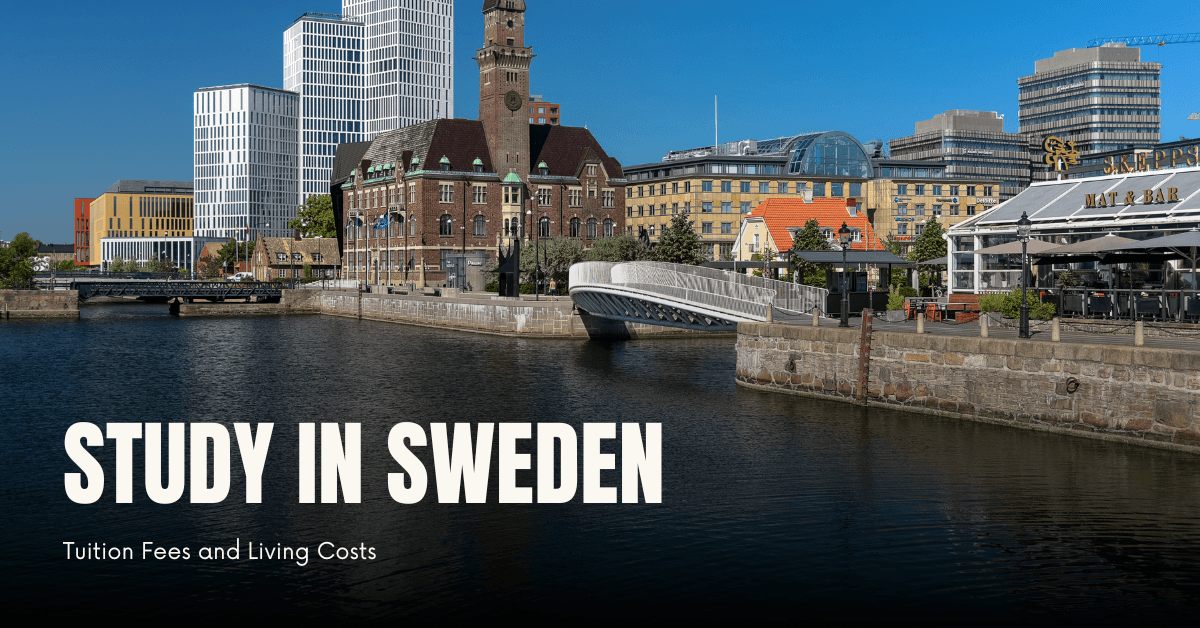
Sweden Tuition Fees and Living Costs for International Students
Sweden is a popular destination for international students looking for English-taught degree programmes, research opportunities and a modern academic environment. However, tuition fees and living expenses are important factors to consider before applying.
For students from Bangladesh and other countries outside the EU/EEA and Switzerland, understanding tuition fees, scholarships, accommodation, food and residence permit financial requirements can help with better financial planning.
Sweden Tuition Fees for International Students
Students from outside the EU/EEA and Switzerland generally need to pay tuition fees for bachelor's and master's programmes in Sweden, unless they qualify for a specific exemption.
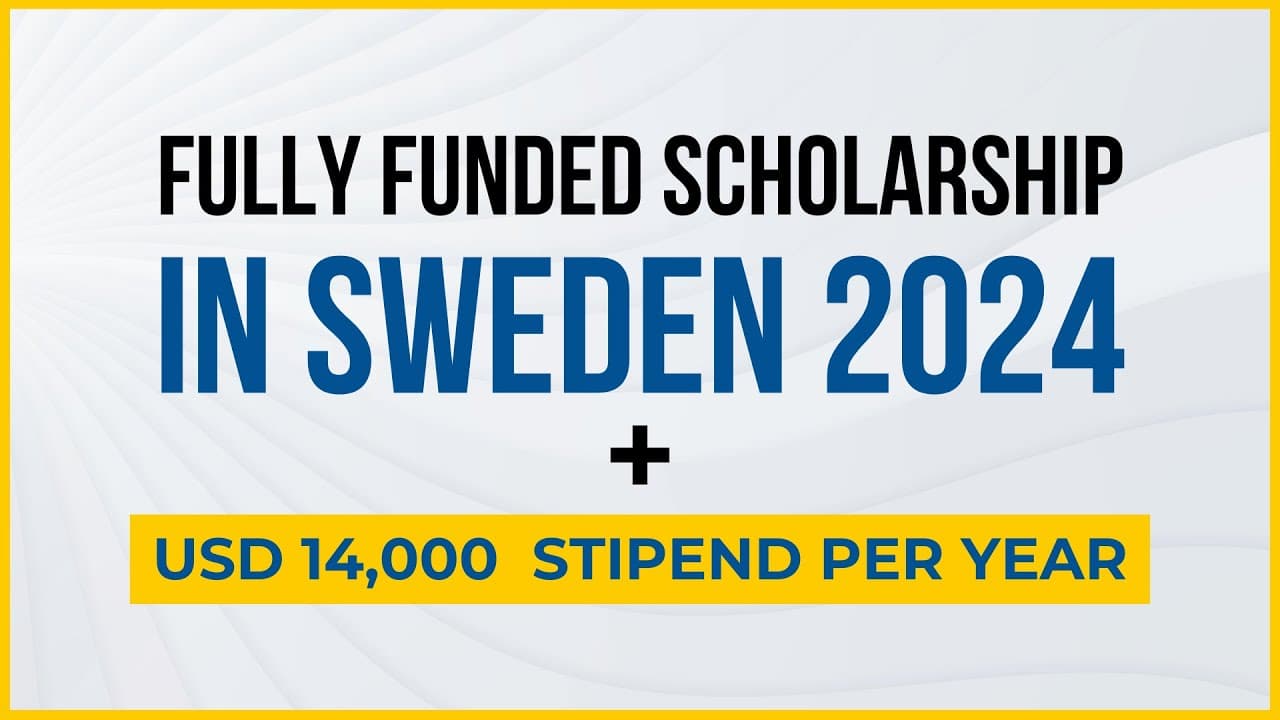
Tuition fees vary depending on the university, programme and subject area. According to Study in Sweden, tuition fees for international students can range from approximately SEK 80,000 to SEK 295,000 per academic year. Programmes in areas such as business, engineering, technology and other specialised fields can have different fee levels.
Therefore, students should always check the tuition fee listed on the official university and programme page before applying.
Bachelor's Tuition Fees in Sweden
Bachelor's tuition fees vary considerably between universities and programmes. International students should not assume that all bachelor's programmes have the same annual fee.
The total cost can depend on the programme's duration, subject and university. Some programmes may be closer to the lower end of the general tuition range, while specialised programmes can cost significantly more.
Students from Bangladesh should check both the admission requirements and exact tuition fee for their chosen programme before submitting an application.
Master's Tuition Fees in Sweden
Master's programmes in Sweden are available in many fields, including:
Computer Science and Information Technology
Artificial Intelligence
Data Science
Engineering
Business and Management
Finance
Environmental Science
Sustainability
Public Health
Design and Architecture
Tuition fees can vary significantly between programmes. A two-year master's programme will also require students to consider the total tuition cost across the full programme period.
PhD Study and Tuition Fees
Doctoral education in Sweden works differently from most bachelor's and master's programmes. Many PhD positions are structured as employment or funded doctoral positions rather than conventional tuition-paying study.
Students interested in PhD study should therefore look for specific doctoral vacancies and funding arrangements at Swedish universities instead of applying the same tuition model used for bachelor's or master's programmes.
Sweden University Application Fee
Applicants who are required to pay the application fee generally pay SEK 900 for applications through the Swedish national admissions system.
The application fee is separate from tuition fees. Students should check whether they are required to pay it based on their citizenship and application circumstances.
Living Costs in Sweden for International Students
Tuition is only one part of the overall cost of studying in Sweden. Students also need to budget for accommodation, food, transportation, insurance, mobile services, study materials and personal expenses.
Living costs vary depending on the city and individual lifestyle. Stockholm, for example, can have different accommodation costs from smaller university cities.
Accommodation
Accommodation is usually one of the largest monthly expenses for international students.
Students may live in:
University or student accommodation
Shared apartments
Private rental accommodation
Student residences
The actual rent depends heavily on the city, type of accommodation and whether the student has a private room or shares facilities.
Students should start looking for accommodation early because student housing can be competitive in some Swedish cities.
Food and Groceries
Students can reduce monthly expenses by preparing meals at home and using student discounts where available.
Food costs depend on personal lifestyle, shopping habits and whether a student regularly cooks at home or eats at restaurants.
Transportation
Public transport is widely used in Swedish cities. The cost of transportation depends on the location and the type of travel pass required.
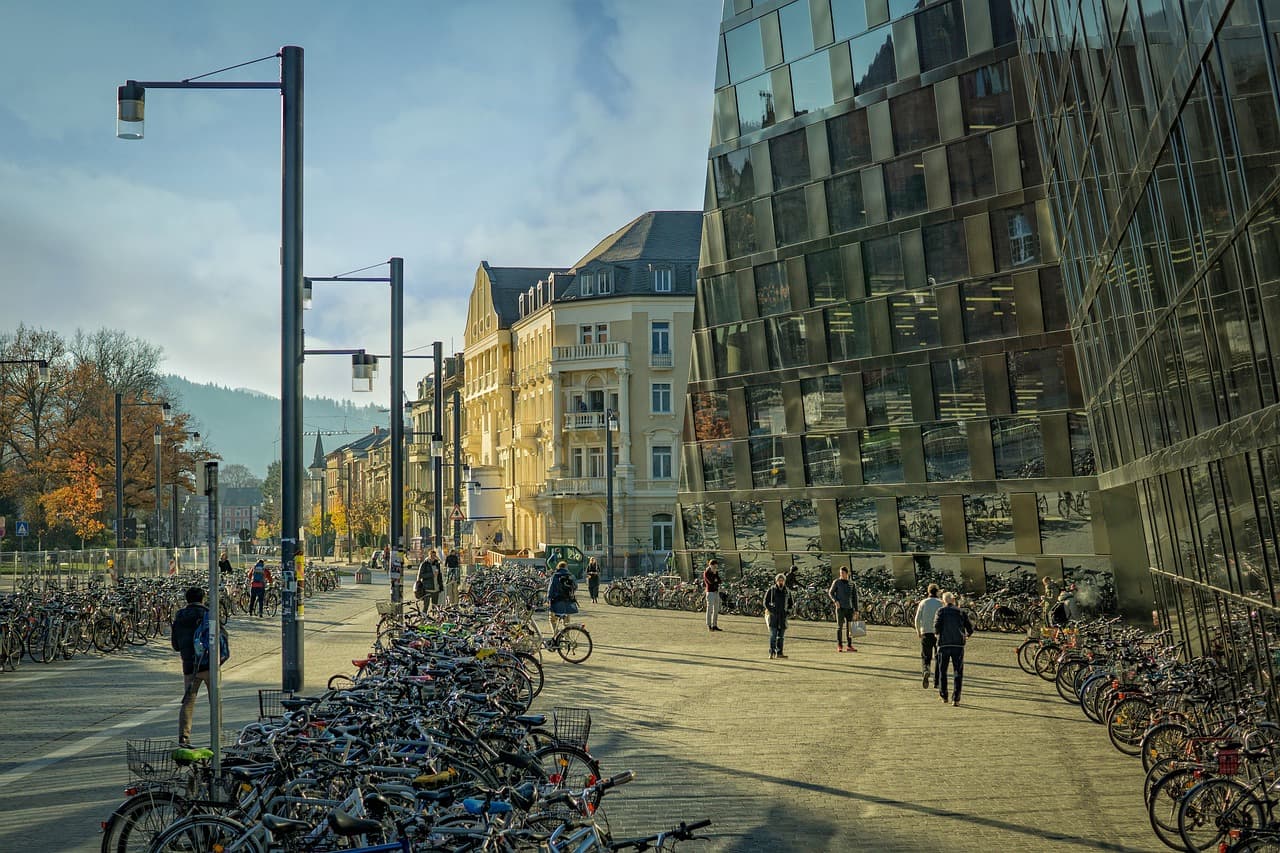
Many students also use bicycles, particularly in university cities where cycling infrastructure is convenient.
Other Monthly Expenses
Students should also budget for:
Mobile phone and internet
Course materials
Personal expenses
Clothing
Leisure activities
Local transportation
Insurance where applicable
Creating a monthly budget before travelling to Sweden can help students manage their finances more effectively.
Financial Requirement for a Swedish Student Residence Permit
International students from Bangladesh who need a residence permit for higher education must demonstrate that they have sufficient funds to support themselves.
For applications made in 2026, the Swedish Migration Agency states a maintenance requirement of at least SEK 10,656 per month. The required amount can be different when qualifying free accommodation or food is provided, and additional funds are required when eligible family members apply with the student.
For a 12-month period, SEK 10,656 per month corresponds to SEK 127,872.
This financial requirement is separate from tuition fees. Students may therefore need to demonstrate funds for both their tuition obligations and their living expenses, depending on their circumstances.
Scholarships for International Students in Sweden
Scholarships can reduce the financial burden of studying in Sweden. Different universities and organisations offer different types of funding.
Swedish Institute Scholarships
The Swedish Institute offers scholarship opportunities for eligible international students through specific scholarship programmes. Bangladesh has been included among eligible countries for the Swedish Institute Scholarship for Global Professionals in relevant scholarship rounds.
However, eligibility is not automatic. Applicants must meet the scholarship's citizenship, programme, academic and other requirements. The available programmes and benefits can also change from one application round to another.
University Scholarships
Many Swedish universities provide scholarships for international students. Depending on the university and scholarship, funding may cover part or all of the tuition fee.
Examples of universities that offer scholarship opportunities include:
Lund University
Uppsala University
KTH Royal Institute of Technology
Chalmers University of Technology
Stockholm University
Scholarship availability, eligibility and application deadlines vary, so students should check the official university information before applying.
Erasmus Mundus Scholarships
Some international students may also consider Erasmus Mundus Joint Master's programmes. These programmes can involve universities in multiple European countries and may provide substantial financial support to selected students.
Eligibility and scholarship availability depend on the individual programme.
Can International Students Work While Studying in Sweden?
International students can work while studying in Sweden, but students should understand the current rules before relying on part-time employment.
For bachelor's and master's students whose residence permits were granted on or after 11 June 2026, work during the semester is generally limited to 15 hours per week. Different rules apply during June, July and August.
Students should not plan their entire tuition or living budget around part-time employment. The residence permit application requires students to demonstrate that they have sufficient financial support.
Healthcare and Insurance
Healthcare arrangements depend on the student's residence status and length of stay. Students should understand their healthcare and insurance position before travelling to Sweden.
Students staying for shorter periods may have different arrangements from those registered for longer-term residence. It is important to follow the requirements applicable to the individual residence permit and university programme.
How to Plan Your Sweden Study Budget
Before applying to a Swedish university, students should calculate their expected costs in several categories:
Tuition: Check the exact programme fee directly with the university.
Application fee: Check whether the SEK 900 application fee applies to you.
Living expenses: Plan for accommodation, food, transportation and personal costs.
Residence permit funds: Make sure you can meet the current Swedish Migration Agency maintenance requirement.
Scholarships: Check university and Swedish Institute scholarship opportunities before their deadlines.
Travel and initial setup: Include flights, accommodation deposits, residence-related expenses and other initial costs.
A realistic budget should cover the entire study period rather than relying only on the minimum amount required for a residence permit.
Why Study in Sweden?
Sweden offers international students a combination of English-taught education, research opportunities and a strong focus on innovation and sustainability.
Students can choose from programmes in areas such as technology, engineering, business, data science, environmental studies, design and other disciplines.
The right university depends on the student's academic background, career goals, preferred subject, tuition budget and admission requirements.
How NWC Education Can Help
Students from Bangladesh can receive guidance on different stages of the Sweden study application process through NWC Education.
Support can include:
Academic profile assessment
University and programme selection
Admission requirement checking
Application document guidance
Scholarship information
Tuition and financial planning guidance
Residence permit document guidance
Pre-departure counselling
The final admission decision is made by the university, while the residence permit decision is made by the Swedish authorities.
Frequently Asked Questions
How much does it cost to study in Sweden for international students?
Tuition fees generally vary by programme and university. Study in Sweden gives a broad range of approximately SEK 80,000 to SEK 295,000 per academic year for international students, but the exact fee must be checked with the selected university.
Is education free in Sweden for Bangladeshi students?
Generally, no. Students from Bangladesh are normally required to pay tuition fees for bachelor's and master's programmes unless they qualify for an applicable exemption or scholarship.
How much money is required for a Sweden student residence permit in 2026?
For applications made in 2026, the Swedish Migration Agency's maintenance requirement is at least SEK 10,656 per month. For 12 months, this equals SEK 127,872.
Can I get a scholarship to study in Sweden?
Yes, scholarship opportunities are available, but they are competitive and eligibility varies. Options include university scholarships and Swedish Institute scholarships for eligible applicants.
Can Bangladeshi students work in Sweden while studying?
Yes, subject to the applicable rules. For relevant bachelor's and master's residence permits granted from 11 June 2026, work during semesters is generally limited to 15 hours per week.
Does tuition include living costs?
No. Tuition fees and living expenses are separate. Students should budget separately for accommodation, food, transportation, personal expenses and other costs.
Start Planning Your Sweden Study Journey
Understanding Sweden tuition fees and living costs is an important part of planning your international education. By checking the exact university fee, preparing a realistic living budget and reviewing scholarship and residence permit requirements early, students can make better-informed decisions about studying in Sweden.
NWC Education can provide guidance with university selection, applications, scholarships and residence permit documentation for students planning to study in Sweden.
Ready to explore your Sweden study options?
Apply Now: https://www.nwc.ac/apply-now