UK Entry Clearance Through NWC Education: Student Experience and Visa Guidance
Receiving UK entry clearance is an important milestone for an international student preparing to begin their studies in the UK. However, reaching this stage requires careful preparation, from selecting a suitable university and course to completing the admission, CAS and Student visa processes.
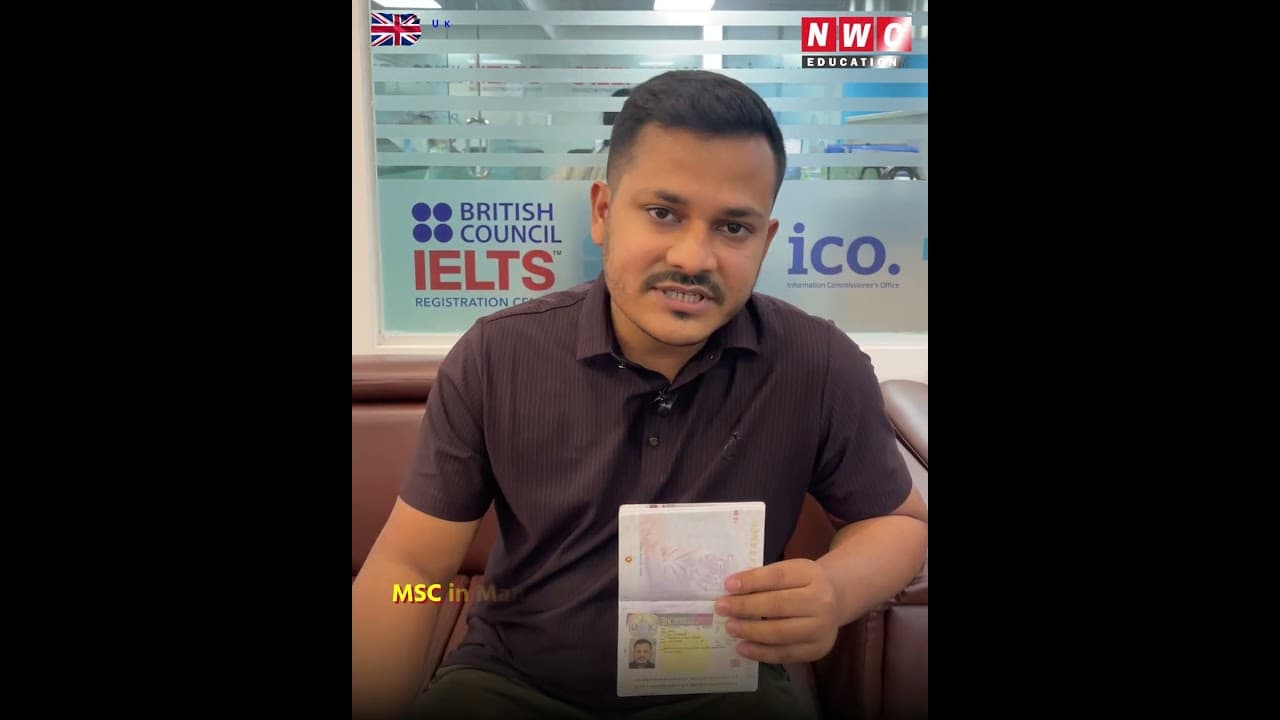
This article shares the experience of Sirhan Chowdhury, who successfully received UK entry clearance after receiving support from NWC Education during his study abroad journey.
A Student Experience With NWC Education
Sirhan Chowdhury shared his experience after successfully receiving his UK entry clearance.
According to his testimonial, NWC Education supported him throughout the application process and helped him understand the different stages involved. He particularly appreciated the guidance provided when he had questions and the preparation support he received during the process.
For students applying to study abroad, having a clear understanding of each stage can make the overall process easier to organise.
What Is UK Entry Clearance?
UK entry clearance is permission granted to a person outside the UK to enter the country for a particular purpose.
For international students, entry clearance is generally connected with their immigration permission to enter the UK for study.
Receiving entry clearance is different from receiving a university admission offer.
The university decides whether to admit a student, while the relevant UK immigration authorities decide whether the applicant meets the requirements for their visa.
From University Application to Entry Clearance
A UK study journey normally involves several stages.
These may include:
Choosing a suitable course
Selecting a university
Checking entry requirements
Preparing academic documents
Submitting the university application
Receiving an offer
Meeting offer conditions
Completing the CAS process
Preparing the Student visa application
Completing biometric requirements
Responding to any additional requests
Receiving the immigration decision
The exact process can vary depending on the student's circumstances.
Choosing the Right Course
Before starting a UK application, students should carefully consider whether their chosen course matches their previous education and career goals.
Important factors include:
Academic background
Course content
Entry requirements
English language requirements
Tuition fees
Location
Career plans
Study duration
A logical connection between previous education, chosen course and future plans can also help students explain their study decision during university or visa-related interviews.
Choosing a University
Students should compare universities based on their own requirements rather than simply choosing a university because it is popular.
Consider:
Course structure
Entry requirements
Tuition fees
Location
Accommodation
Student support
Academic facilities
Career relevance
The university should be suitable for both your academic background and long-term plans.
University Application Process
Once the course and university have been selected, students need to prepare their application.
Depending on the university and programme, documents may include:
Passport
Academic certificates
Academic transcripts
English language evidence
Personal statement
Academic references
CV where relevant
Employment documents where applicable
Additional course-specific documents
All information should be accurate and consistent.
Receiving an Offer
After submitting an application, the university may issue either a conditional or unconditional offer.
A conditional offer means that the student still needs to satisfy specific requirements.
These conditions may involve:
Providing academic documents
Meeting an English language requirement
Providing additional information
Paying a required deposit
Meeting other course-specific conditions
Students should carefully read their offer letter and complete all outstanding conditions.
Understanding the CAS Process
For students who require a UK Student visa, a Confirmation of Acceptance for Studies (CAS) is an important part of the process.
The university issues the CAS after the relevant conditions have been satisfied.
Depending on the university and student, the CAS process may involve:
Meeting academic conditions
Providing outstanding documents
Paying a tuition deposit
Providing financial information where required
Completing pre-CAS checks
Completing an interview where requested
Not every student will necessarily have the same CAS process.
Preparing for a Student Visa Application
Once the CAS is available, the student can prepare their UK Student visa application.
Depending on the circumstances, the process may include:
Completing the visa application
Paying the applicable visa fee
Paying the Immigration Health Surcharge where applicable
Providing biometric information
Preparing financial evidence where required
Providing supporting documents
Completing an interview if selected
Students should carefully review all information before submitting the application.
Financial Preparation
Financial preparation is one of the important areas of the UK Student visa process.
Students should understand the financial requirements that apply to their application and make sure their evidence is genuine and meets the relevant conditions.
Financial planning should also cover the wider cost of studying in the UK, including:
Tuition fees
Accommodation
Food
Transportation
Study materials
Personal expenses
Visa-related costs
Students should prepare their finances well in advance rather than waiting until the final stage of the application.
Interview Preparation
Some students may be asked questions about their study plans during the university or immigration process.
Possible topics include:
Why did you choose the UK?
Why did you select your university?
Why did you choose your course?
How does the course relate to your previous education?
What are your career plans?
How will you finance your studies?
Where will you live?
What do you know about your course?
Students should answer honestly and naturally.
The answers should also be consistent with the information provided in the university application and visa documents.
Support for Working Professionals
Studying abroad can involve additional planning for applicants who are already working.
Working professionals may need to organise:
Employment documents
Academic documents
Financial planning
Study leave
Travel arrangements
Accommodation
Pre-departure preparation
A clear timeline can make it easier to manage these responsibilities alongside the application process.
What Students Can Learn From Sirhan Chowdhury's Experience
Sirhan Chowdhury's experience highlights the importance of having guidance when navigating a UK study and visa application.
His testimonial reflects his personal experience with NWC Education. Every student's application is different, and the outcome depends on factors such as academic qualifications, documents, financial circumstances and immigration requirements.
A student's experience should therefore be viewed as an individual example rather than a guarantee of the same result for another applicant.
Common Mistakes to Avoid
Students preparing for UK study should avoid:
Choosing a course without researching it
Submitting incomplete documents
Providing inconsistent information
Ignoring university offer conditions
Waiting until the last moment to prepare financial documents
Giving incorrect information during interviews
Using false or misleading documents
Assuming another student's visa outcome guarantees their own
Failing to review the CAS information before submitting a visa application
Careful preparation can help reduce avoidable problems.
How NWC Education Can Help
NWC Education can support Bangladeshi students through different stages of their UK study journey.
Support may include:
Course selection
University selection
Eligibility guidance
University application preparation
Document checking
Offer condition guidance
CAS preparation
Financial document guidance
Interview preparation
UK Student visa guidance
Pre-departure preparation
Students should always provide genuine and accurate information throughout the process.
Frequently Asked Questions
What is UK entry clearance?
UK entry clearance is immigration permission granted to a person outside the UK to enter the country for a specific purpose, such as study.
Is entry clearance the same as university admission?
No. University admission and immigration permission are separate decisions. The university decides whether to admit the student, while the relevant immigration authorities decide whether the student meets the visa requirements.
Who is featured in this NWC Education student experience?
The testimonial is from Sirhan Chowdhury, who shared his experience after successfully receiving UK entry clearance.
Does every student have a credibility interview?
No. Interview requirements can vary depending on the university and immigration process and the student's individual circumstances.
Do I need a CAS for a UK Student visa?
If you require a Student visa to study in the UK, you will normally need a CAS issued by your sponsoring university before applying.
Can NWC Education guarantee UK entry clearance?
No. Immigration decisions are made by the relevant UK authorities. NWC Education can provide guidance and preparation support, but no consultancy can guarantee a visa outcome.
Can NWC Education help with interview preparation?
Yes. NWC Education can help students prepare by reviewing their course information, study plans, financial arrangements and likely interview topics.
Plan Your UK Study Journey
Receiving UK entry clearance is the result of completing several important stages of the study abroad process. From choosing the right course and university to preparing your CAS, financial documents and Student visa application, careful planning is essential.
If you are planning to study in the UK and want guidance with your university application, CAS or Student visa preparation, Apply Now with NWC Education.